Best Time to Visit AlUla: A Season-by-Season Guide
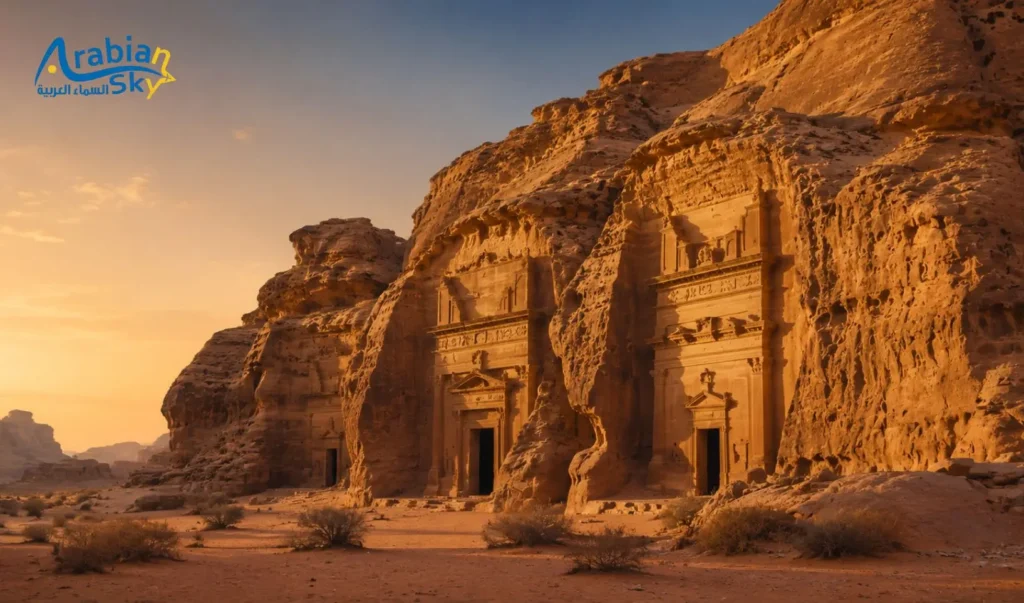
The best time to visit AlUla isn’t really a debate among people who’ve actually been there. Ask anyone who’s stood in that desert at the wrong time of year, sweating through a t-shirt at ten in the morning, and they’ll tell you exactly why timing matters more here than almost anywhere else in Saudi Arabia.
AlUla sits in a strange, wonderful position. It’s one of the most photographed places in the Kingdom right now, sandstone canyons, Nabataean tombs carved straight into rock faces, an entire ancient city hiding in plain sight at Hegra. But it’s also a genuine desert, and deserts don’t forgive bad planning.
So here’s the honest, season-by-season breakdown, not the polished tourism-board version, the version that actually helps you pick your dates.
Winter: The Obvious Answer, and For Good Reason
From late November through February, AlUla hits its sweet spot. Daytime temperatures typically sit in the comfortable low-to-mid 20s Celsius, mornings and evenings can dip cool enough for a light jacket, and this is genuinely the AlUla weather most people picture when they imagine the trip.
This is also, unsurprisingly, peak season. Everyone else figured out the same thing you just did.
Winter at Tantora: The Festival That Defines the Season
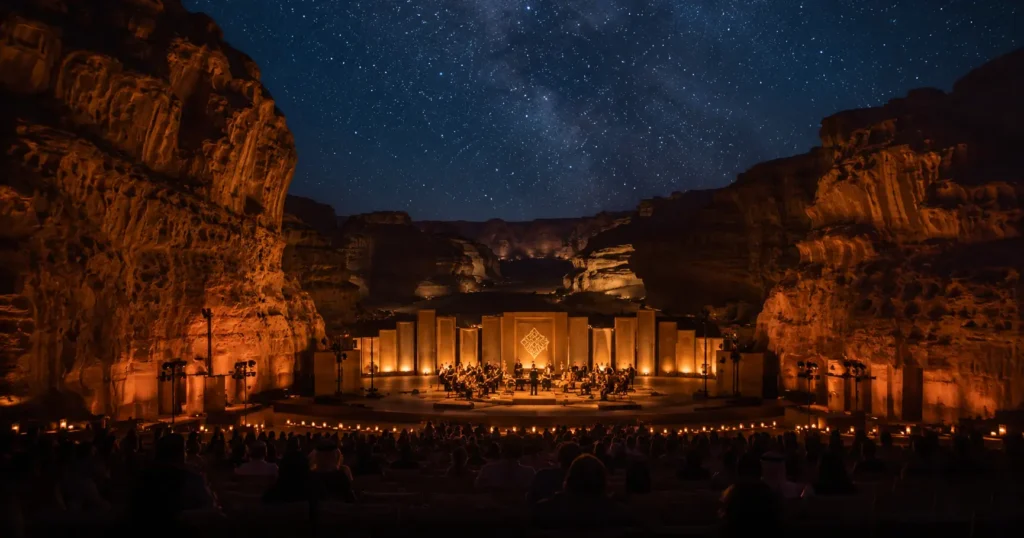
If there’s one single reason winter dominates every “best time to visit AlUla” conversation, it’s Winter at Tantora. This is AlUla’s flagship cultural festival, named after the traditional sundial once used by locals to mark the start of the winter planting season, and it transforms the Old Town and surrounding sites into something between an open-air concert, a heritage exhibition, and a genuine community celebration.
The 2025-26 edition runs from 18 December 2025 to 10 January 2026, roughly three weeks packed with music performances at Maraya (the world’s largest mirrored building), guided cultural tours through Old Town, and events stretching out toward Hegra and the desert beyond. You can check current programming and exact dates directly through Experience AlUla’s official festival page or the Visit Saudi official Winter at Tantora page, since specific event lineups shift year to year.
Booking accommodation during this window months in advance isn’t optional advice, it’s a requirement. Rooms at places like Habitas AlUla or Shaden Resort sell out well before the festival even begins.
Shoulder Seasons: March–April and October–November
Here’s the trade-off most guides don’t spell out clearly enough. AlUla weather during the shoulder months around winter stays genuinely pleasant, daytime temperatures climbing into the high 20s to low 30s, without the peak crowds or peak prices of December and January.
March and April bring longer daylight hours, useful if you want extra time exploring Hegra or the Dadan and Jabal Ikmah rock art sites without rushing before sunset. October and November work similarly in reverse, the heat finally breaking after summer, crowds still building toward the winter festival rush.
If your priority is a slightly quieter AlUla, without sacrificing much comfort, these windows are genuinely underrated.
Summer: Why Almost Everyone Skips It
May through September in AlUla means daytime temperatures regularly pushing past 40°C, sometimes well beyond it. This isn’t the kind of heat where you just drink more water and carry on, it’s the kind that shuts down outdoor exploration almost entirely during midday hours.
That said, summer isn’t universally a write-off. Hotel rates drop noticeably, some indoor and evening experiences continue running, and if you’re specifically chasing lower prices and don’t mind restructuring your days around early morning and after-sunset activity only, it’s technically possible. Most visitors, understandably, don’t choose to test that theory.
A Quick Month-by-Month Snapshot
- December–February: Peak season, ideal weather, Winter at Tantora, book everything early
- March–April: Shoulder season, warm but manageable, longer daylight, fewer crowds
- May–September: Extreme heat, lowest prices, limited outdoor activity, generally avoided
- October–November: Shoulder season, cooling weather, building toward peak season
Common Mistakes to Avoid
- Booking a summer trip because of low prices without accounting for the heat’s actual impact on your itinerary. You may end up confined to your hotel for most of the day.
- Assuming Winter at Tantora dates stay fixed year to year. They shift, always verify current dates through official sources before booking flights.
- Underestimating how far in advance winter accommodation sells out. Some properties are fully booked four to six months ahead of the festival.
- Packing only for daytime heat and forgetting winter nights get genuinely cold. Desert temperature swings are dramatic, layers matter even in the “good” season.
- Trying to combine a summer AlUla visit with a packed multi-site itinerary. The heat makes rushing between Hegra, Old Town, and the canyons far more exhausting than the same plan in winter.
What This Looks Like in Practice
A family planning their first AlUla trip books for late January, drawn by the promise of Winter at Tantora. They arrive to comfortable daytime temperatures, spend mornings exploring Hegra’s tombs, afternoons wandering Old Town’s art district, and evenings at outdoor festival concerts under a genuinely cold, clear desert sky. Everything about the timing works in their favor.
A solo traveller books an impulsive July trip instead, drawn by discounted hotel rates. They quickly adjust plans around the heat, sightseeing only at dawn and after sunset, spending midday hours by the pool rather than out among the rock formations. It’s a different trip, not necessarily a bad one, but a completely different experience than the one the family had just months earlier.
Frequently Asked Questions
What is the single best month to visit AlUla?
January is often considered the sweet spot, comfortable daytime temperatures, Winter at Tantora still running or recently concluded, and slightly easier availability than the December festival peak.
Is Winter at Tantora worth planning an entire trip around?
For most visitors, yes. It adds a cultural and musical dimension to AlUla that isn’t available the rest of the year, though the core historical sites like Hegra remain impressive regardless of season.
How hot does AlUla actually get in summer?
AlUla weather commonly exceeds 40°C during the day between June and August, with some days reaching higher. Early morning and evening remain the only comfortable windows for outdoor activity.
Do I need to book accommodation far in advance for winter visits?
Yes, particularly for the Winter at Tantora period. Popular properties can sell out four to six months ahead of the festival dates.
Are shoulder season months (March-April, October-November) a good compromise?
Generally yes. Weather remains comfortable enough for full days of exploration, with noticeably fewer crowds and slightly better availability than peak winter.
Final Thoughts
The best time to visit AlUla ultimately comes down to what you’re willing to trade. Winter delivers the full experience, ideal weather and Winter at Tantora’s cultural energy but demands early planning and higher prices. Shoulder seasons offer a smart middle ground. Summer works only for those who genuinely don’t mind restructuring an entire trip around avoiding the heat.
Whichever window you choose, AlUla rewards visitors who plan around its climate rather than against it, this is a destination where timing isn’t a minor detail, it’s most of the experience.